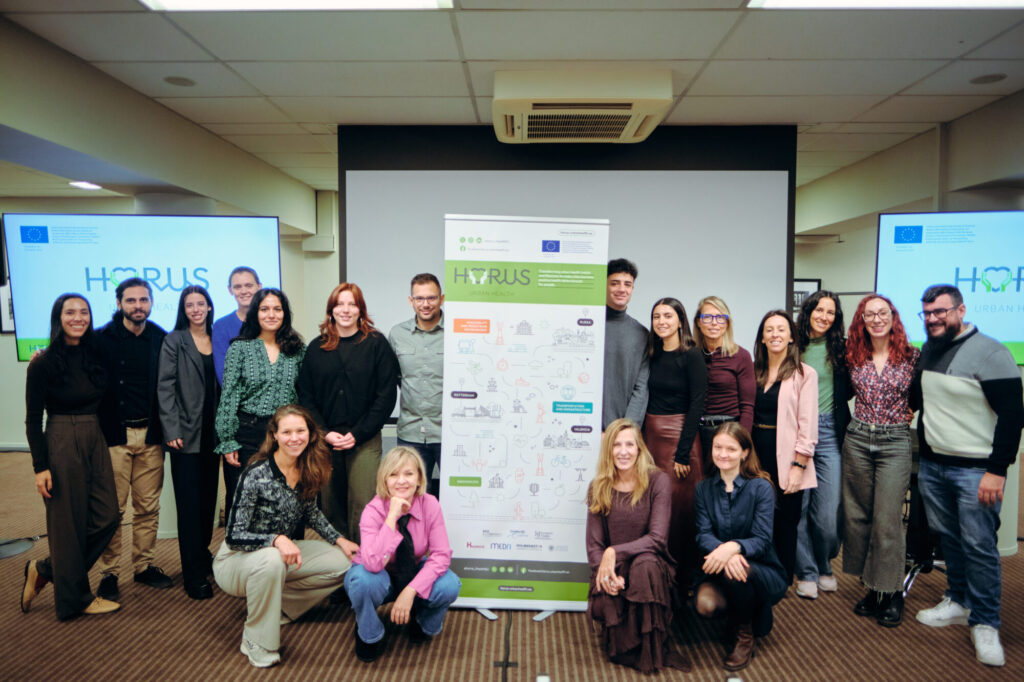
On 27 and 28 October 2026, the HORUS consortium gathered in Brussels, Belgium, for two days dedicated to reviewing the project’s achievements, sharing research outcomes and exploring how its findings can contribute to healthier and more inclusive cities.
The events brought together project partners, researchers and stakeholders to reflect on the work carried out throughout HORUS and discuss how the knowledge generated can support future urban health initiatives.
Final Consortium Meeting: Reflecting on the HORUS Journey
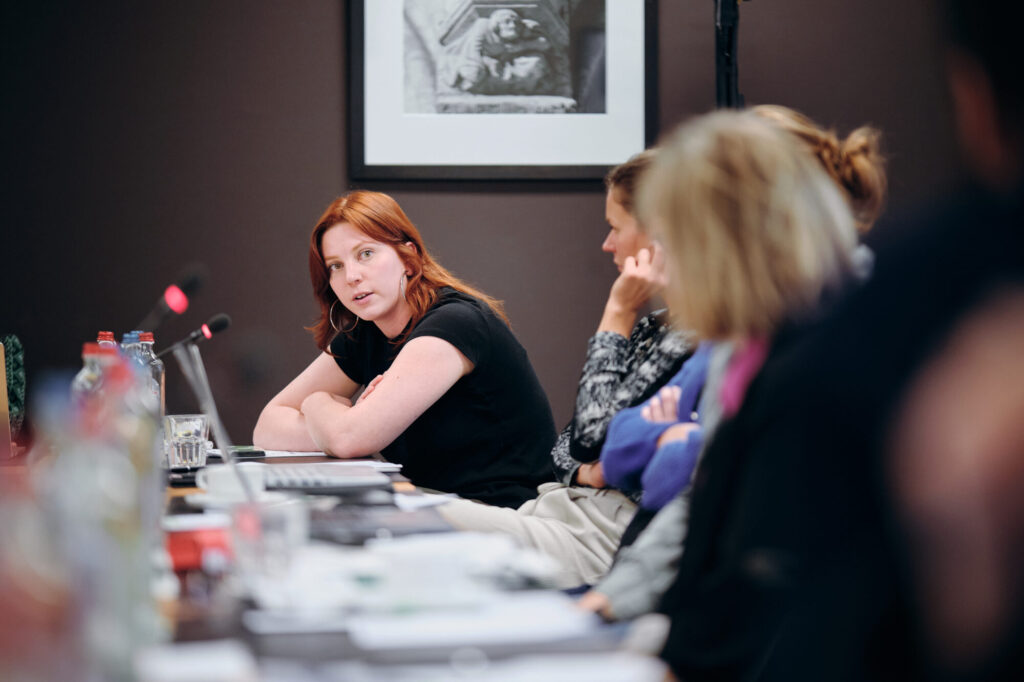
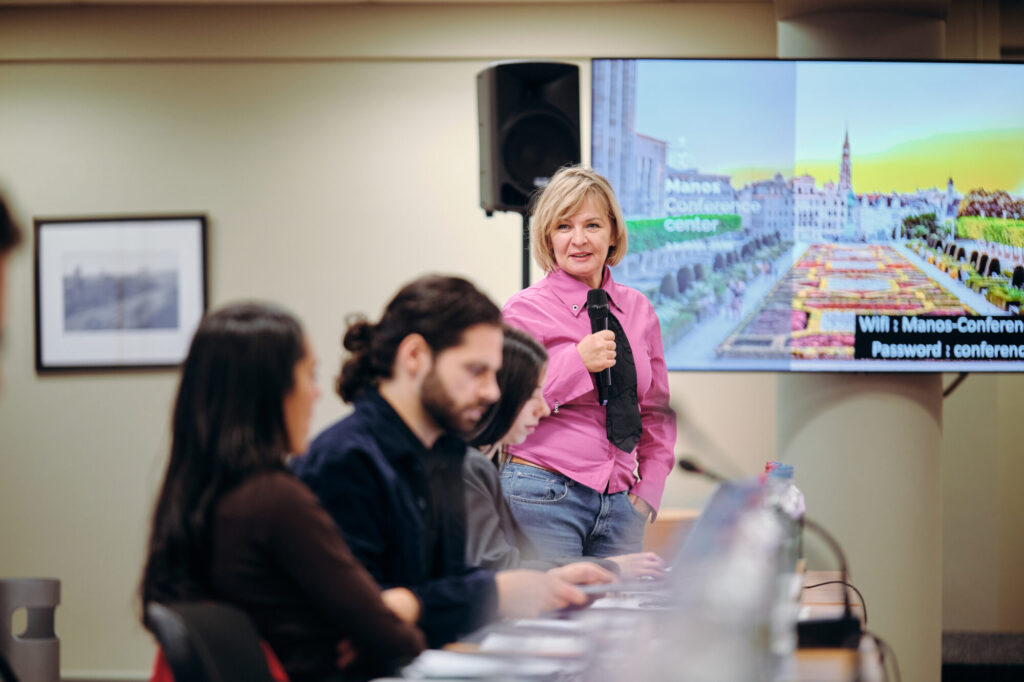
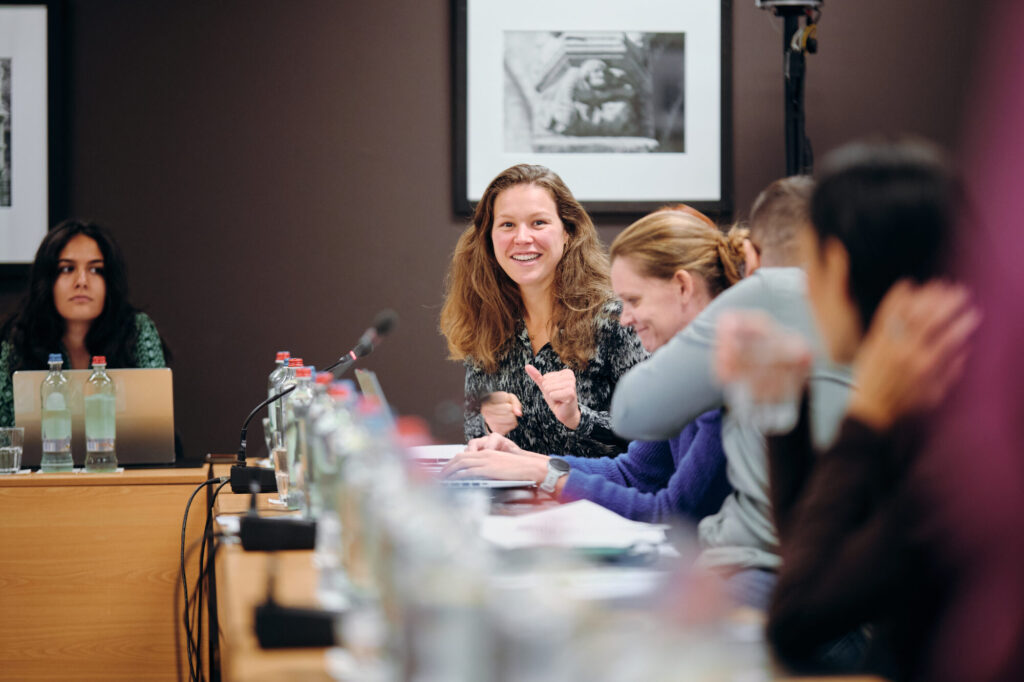
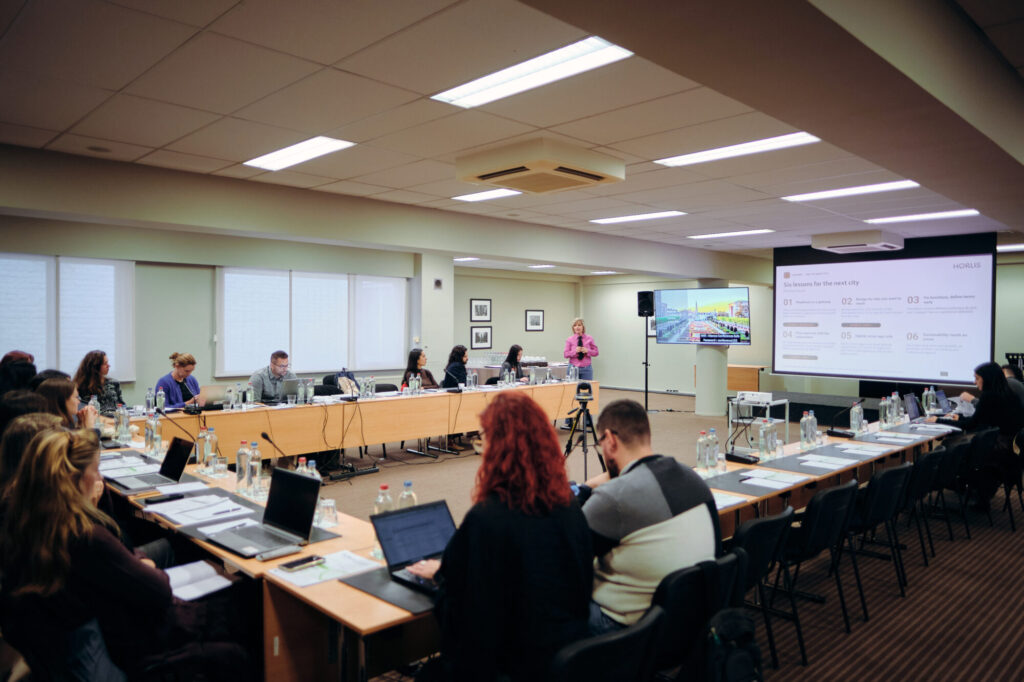
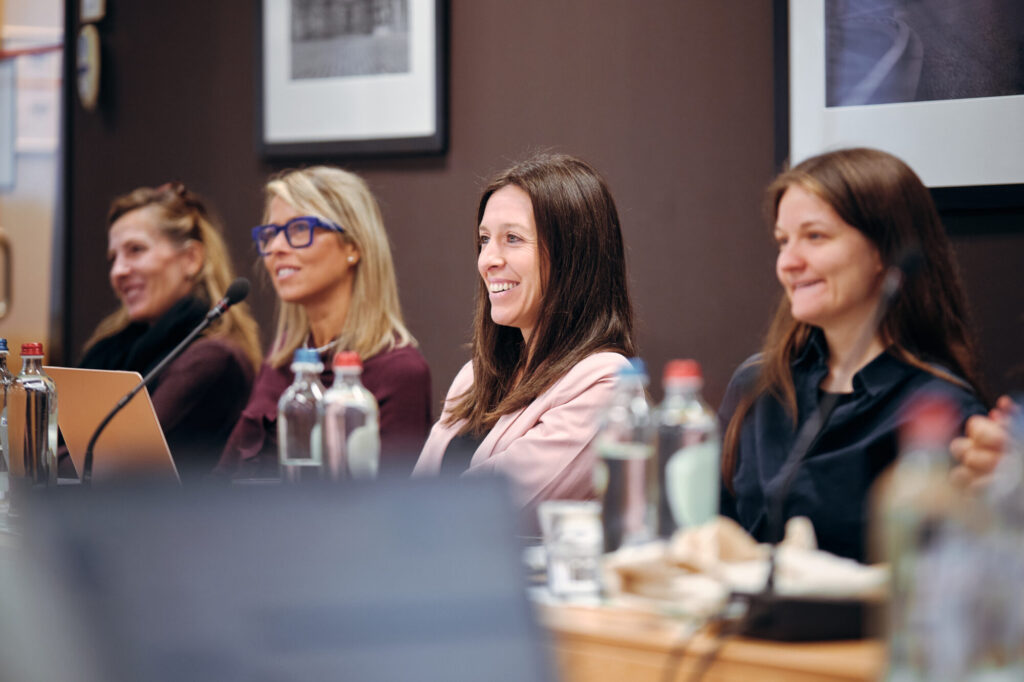
On 27 October, HORUS partners came together for the project’s final consortium meeting at the Manos Conference Centre in Brussels.
The meeting provided an opportunity to review the progress achieved across the different work packages, discuss the project’s final steps and reflect on the results of the collaboration.
Partners also exchanged perspectives on the lessons learned throughout the project, from research and participatory activities to the implementation of interventions in the three pilot cities: Valencia (Spain), Rotterdam (the Netherlands) and Rijeka (Croatia).
The meeting marked an important moment for the consortium to look back on its collective efforts and prepare for the presentation of HORUS outcomes to a wider audience the following day.
HORUS Open Day: From Research to Action
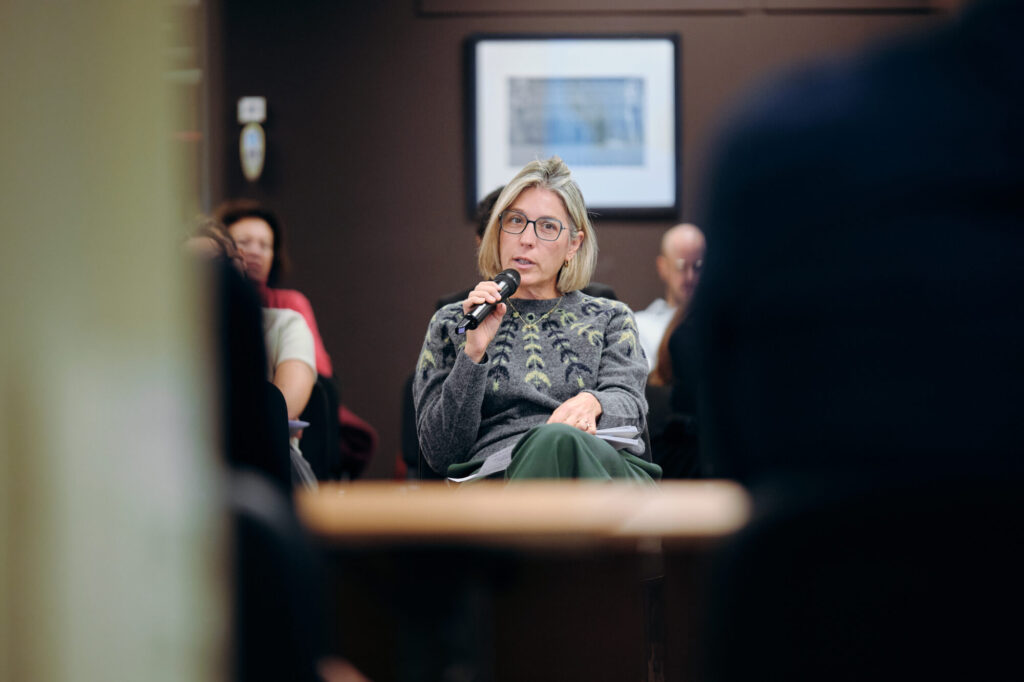
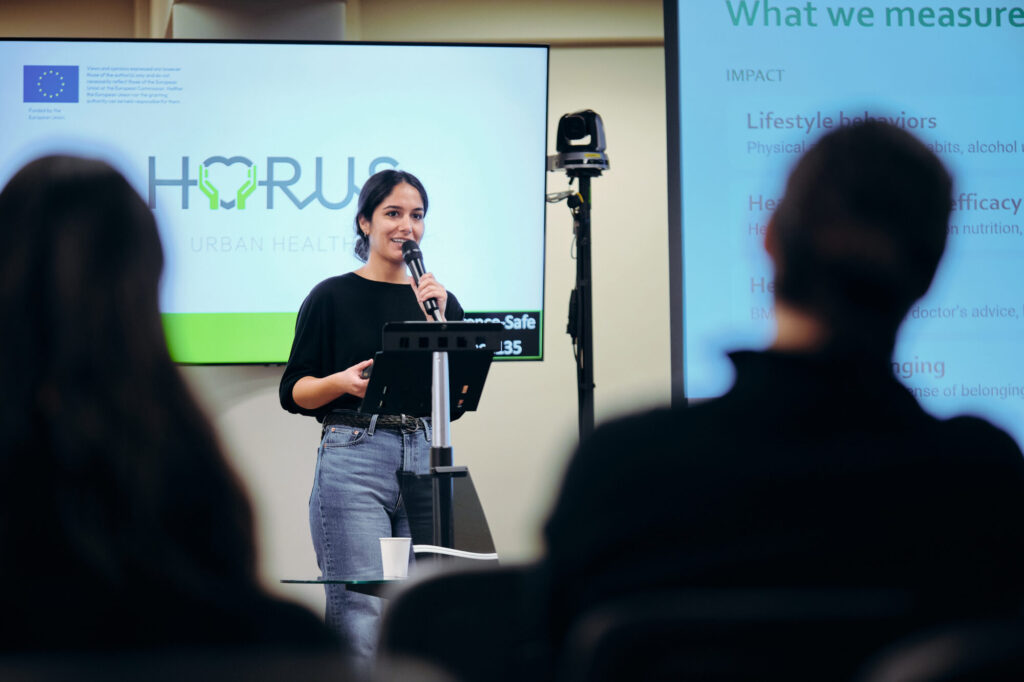
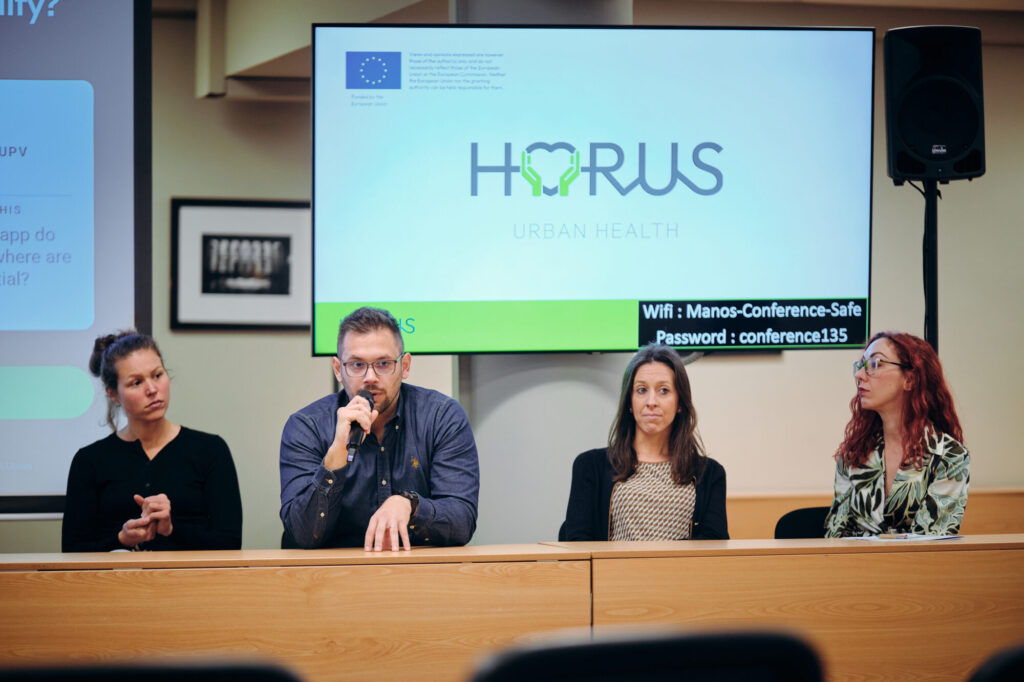
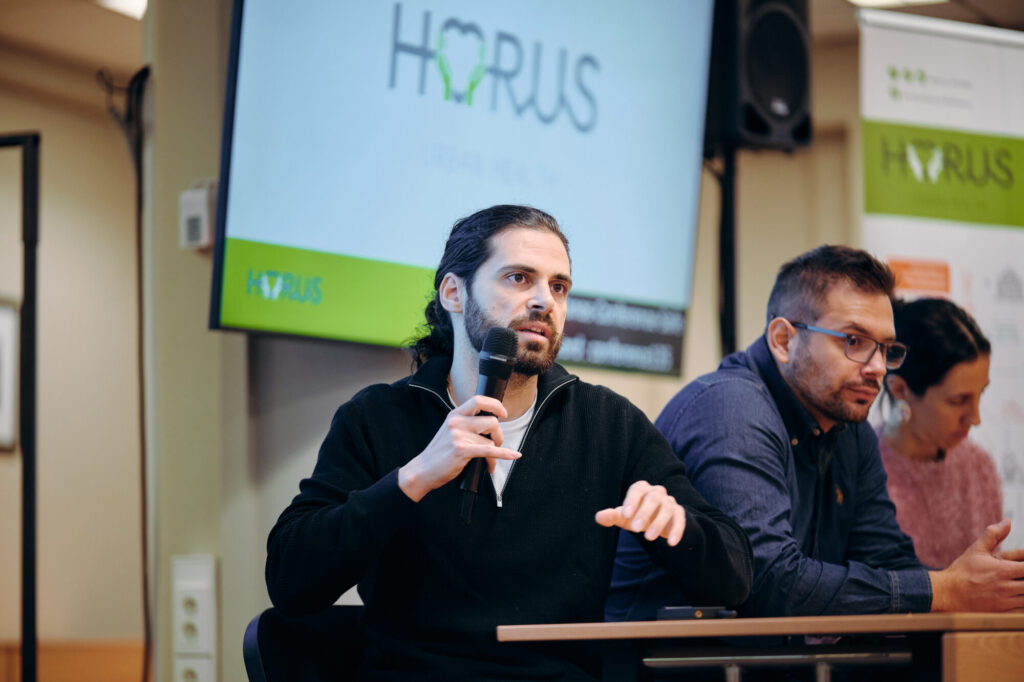
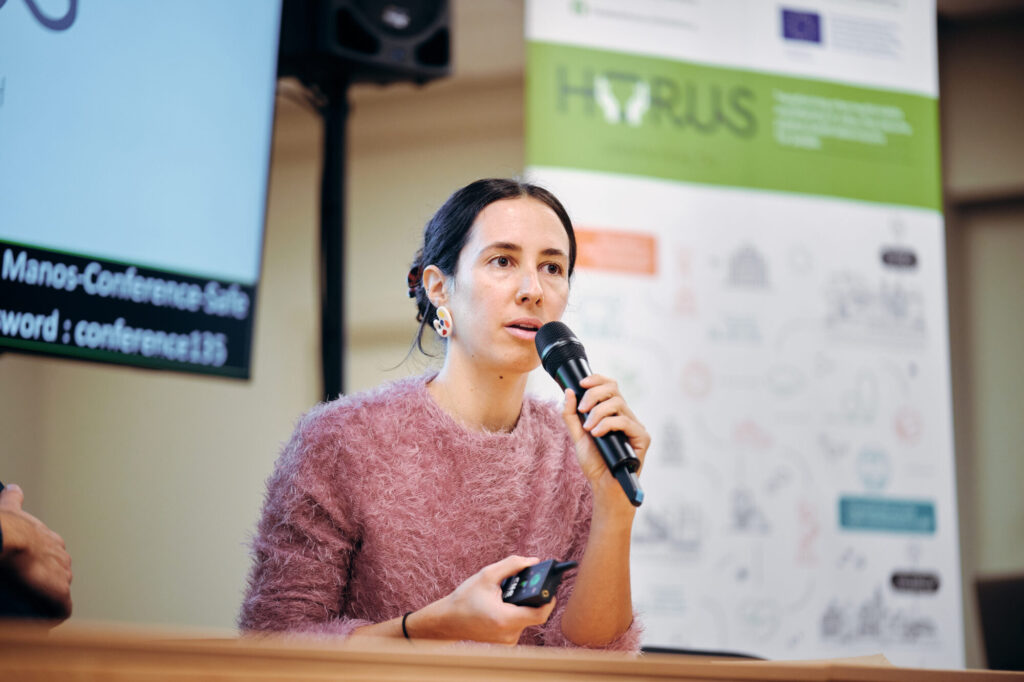
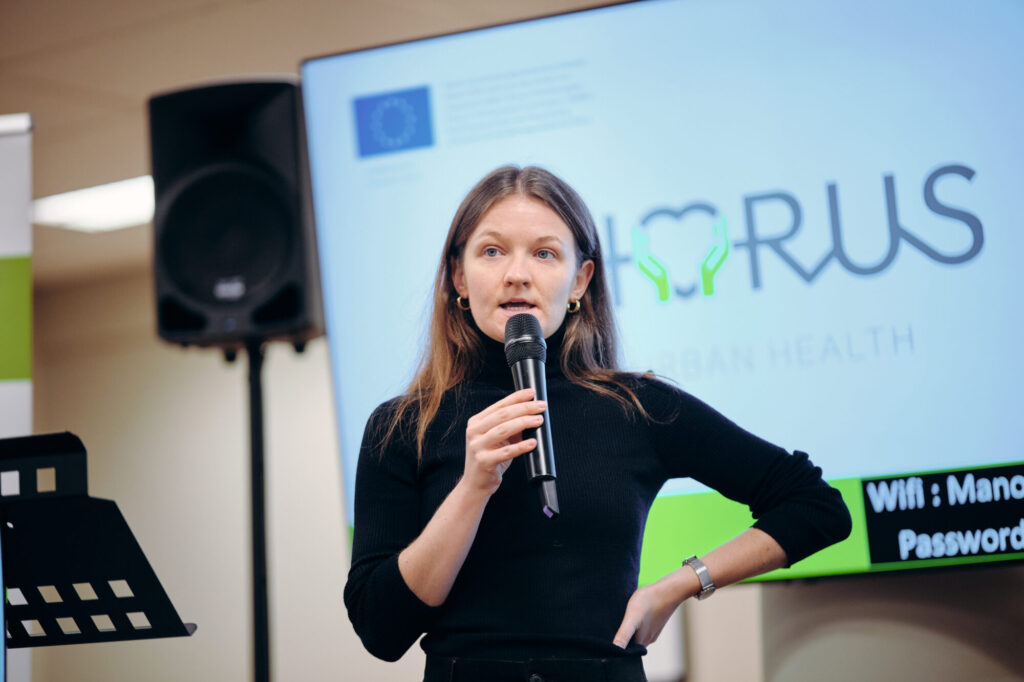
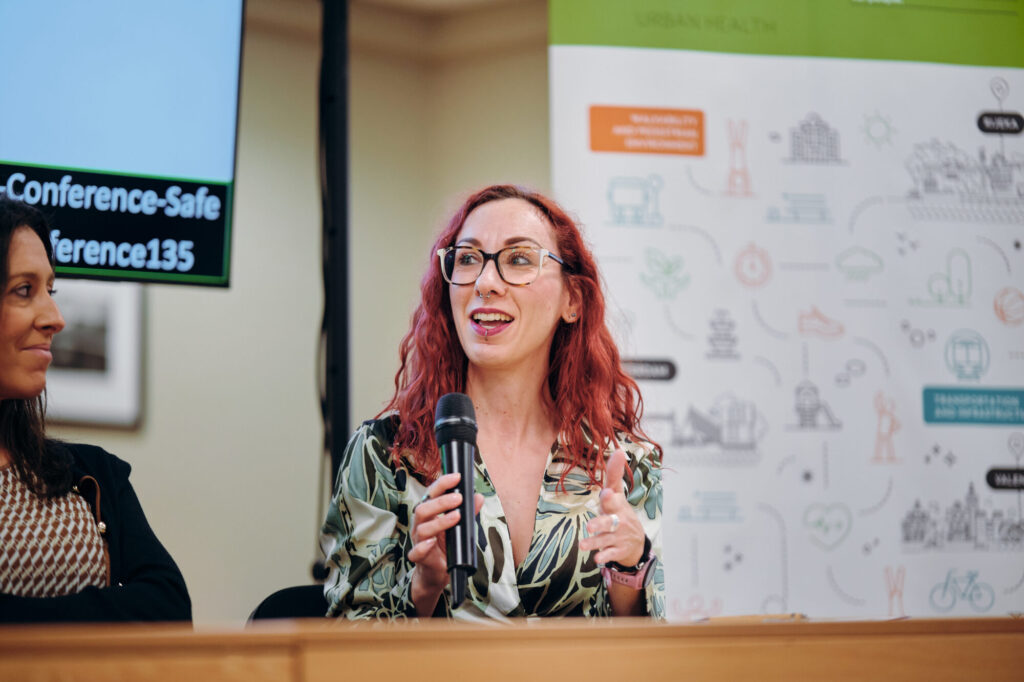
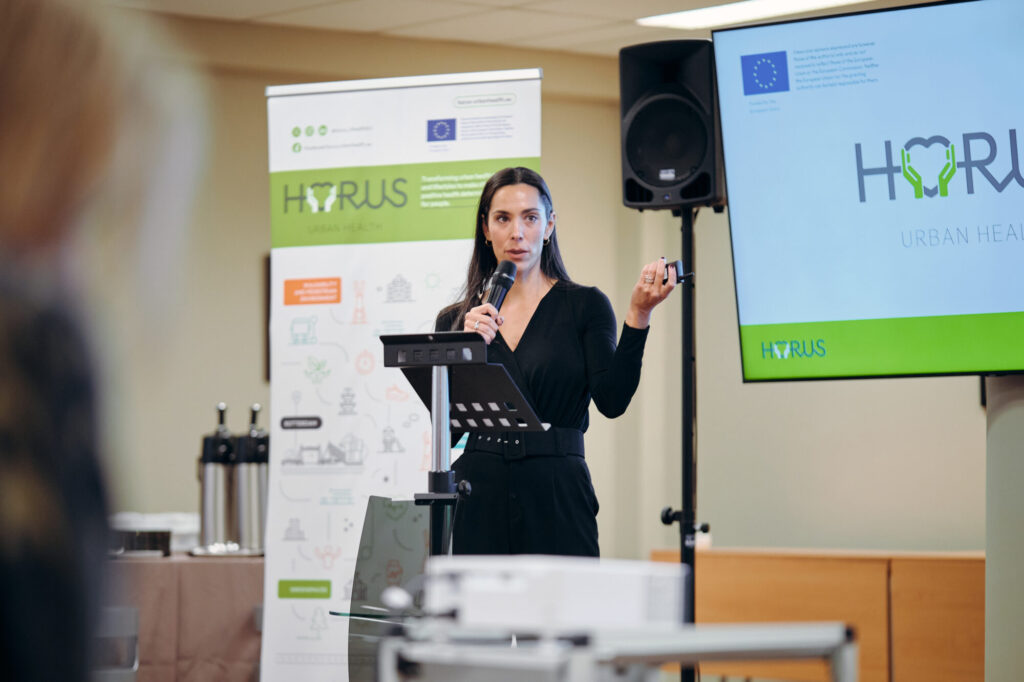
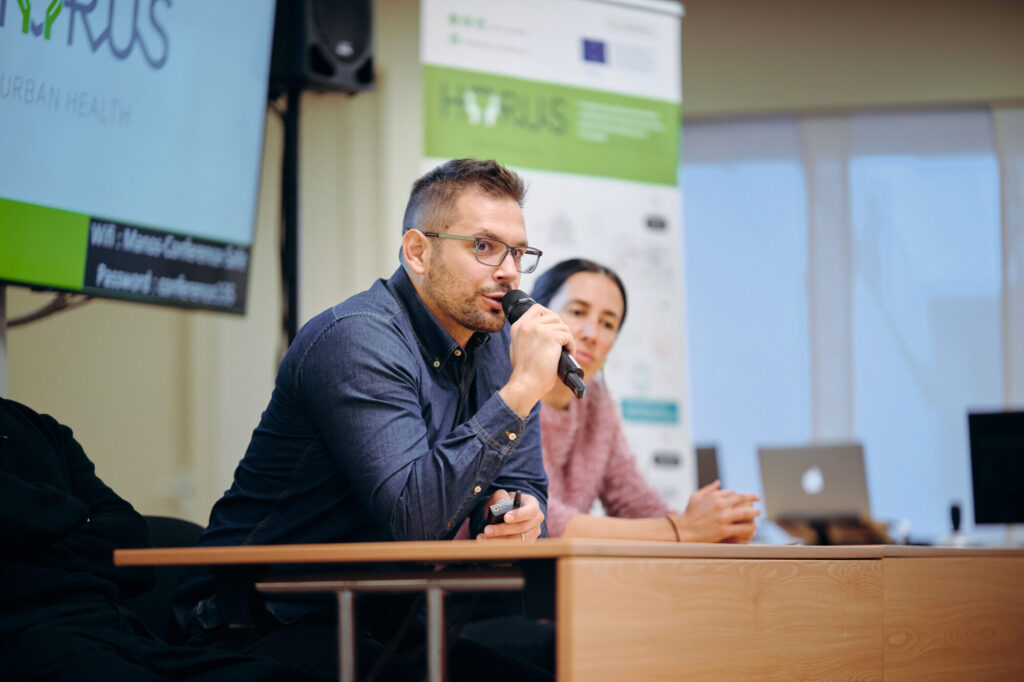
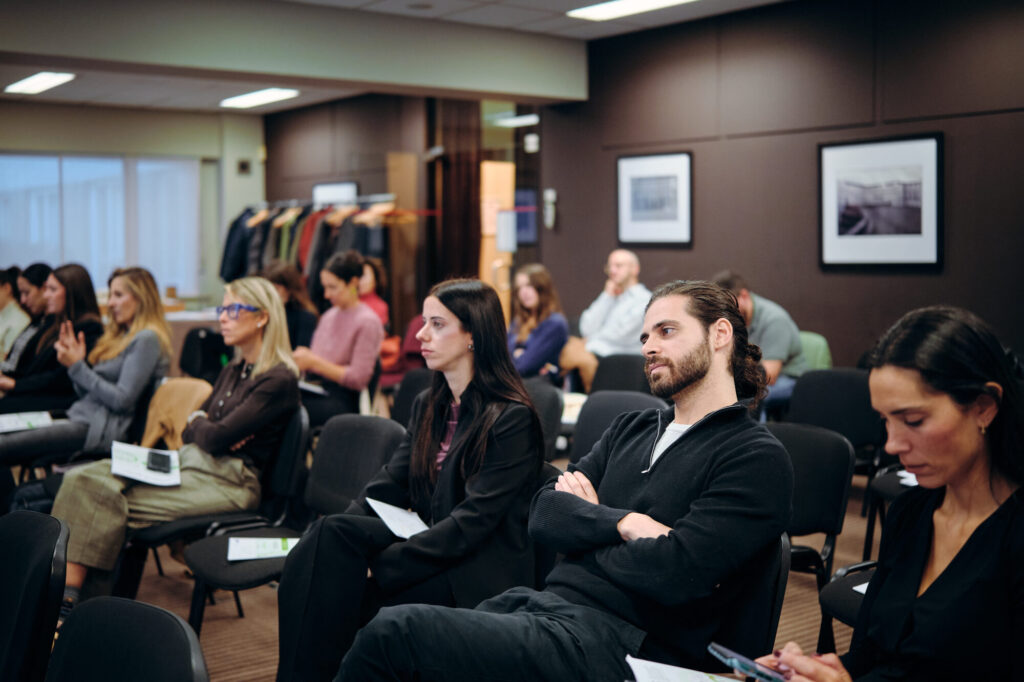
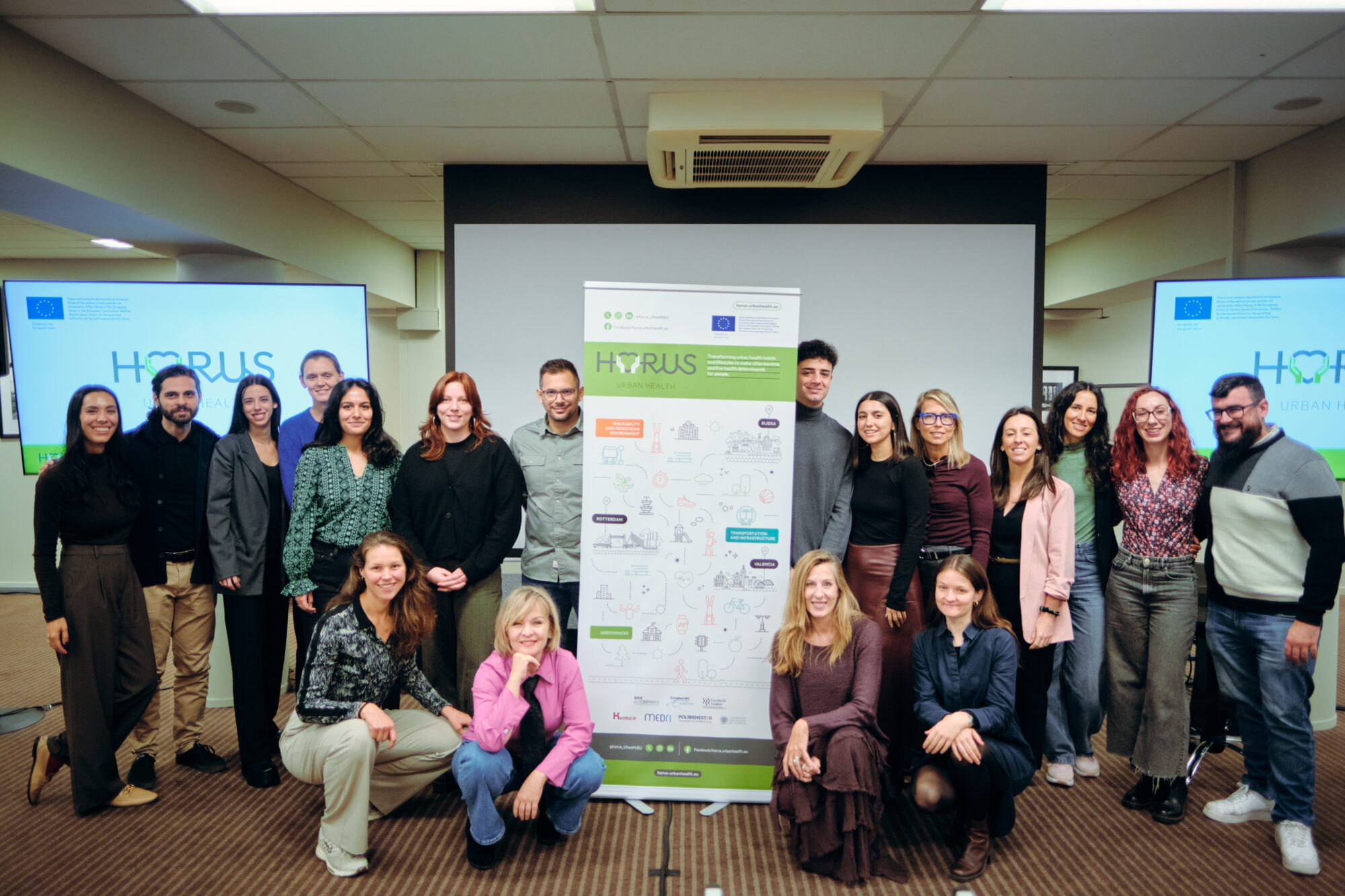
On 28 October, HORUS held its public final event, “From Research to Action: How Can HORUS Help Shape Healthier Cities?”, welcoming participants in Brussels and online.
The event opened with an introduction to the project’s vision, ambitions and multidisciplinary European partnership.
The first sessions explored how HORUS combined urban environment characterisation, data analysis and participatory research to better understand the relationship between urban environments and health. Researchers presented approaches including cluster analysis, focus groups, interviews and participatory mapping, highlighting the importance of incorporating community perspectives into urban health research.
Attention then turned to the experiences of the three pilot cities. Representatives from Valencia, Rotterdam and Rijeka discussed the challenges and opportunities of implementing interventions in different urban contexts, including participant engagement, local adaptation and the lessons that future cities could take from the HORUS experience.
Research Results, Digital Tools and Practical Guidance
Following the morning sessions, the event continued with a technical discussion of the project’s results and evaluation.
Partners presented findings related to the impact and implementation of HORUS interventions, alongside insights into the use of Wakamola, the digital application supporting health-related behaviours.
A dedicated citizen-focused session then explored practical ways to encourage healthier lifestyles in urban environments, addressing active mobility, nutrition, well-being and the role of digital tools in supporting everyday choices.
Together, these discussions highlighted the importance of combining scientific evidence, technological innovation and community participation to promote healthier urban living.
Translating HORUS Evidence into Policy Recommendations
The final thematic session focused on how the knowledge generated throughout HORUS can inform future urban and public health policies.
Under the title “From HORUS Evidence to Action: Shaping Policy Recommendations for Healthier Cities”, project partners presented the approach used to translate research findings and stakeholder perspectives into policy recommendations.
The session also introduced emerging priorities for policymakers, urban planners and public health authorities, followed by an exchange with participants on their relevance and potential implementation.
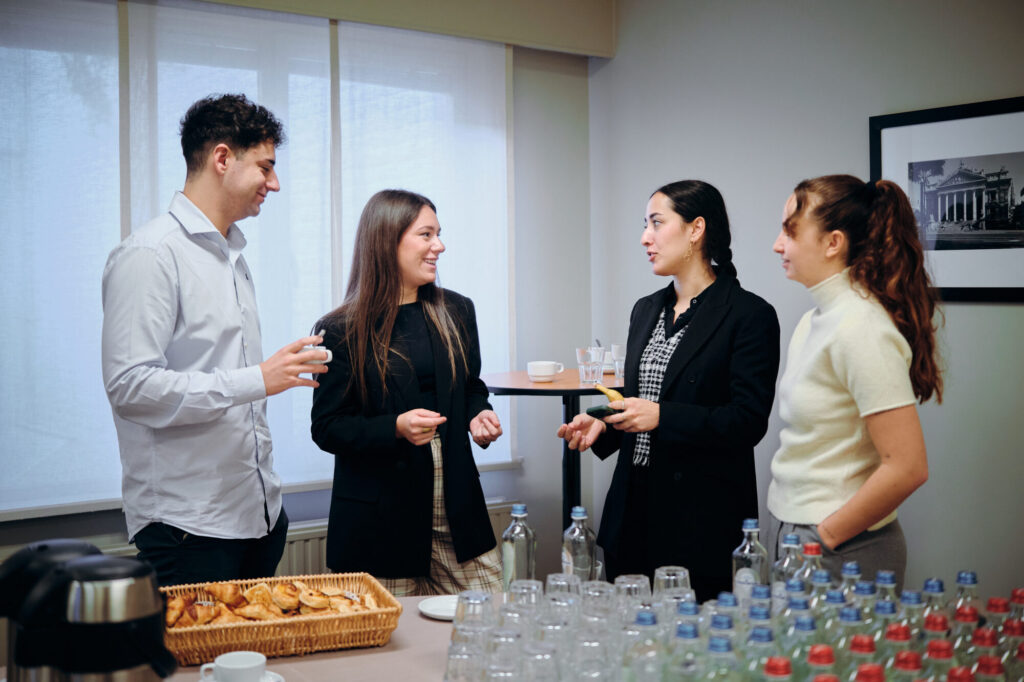
An open discussion and closing remarks brought the event to an end, followed by a networking lunch that offered further opportunities to exchange ideas and explore future connections.
Looking Ahead: Building on the HORUS Results
The two days in Brussels represented an important milestone in the final stage of HORUS.
Through its multidisciplinary partnership, research activities and experiences across three European pilot cities, the project has contributed knowledge and practical insights into the connections between urban environments, health behaviours and the prevention of non-communicable diseases.
As HORUS approaches its conclusion, the results, tools and recommendations developed throughout the project provide a basis for continued discussion and future initiatives aimed at creating healthier, more inclusive and health-supportive urban environments.
A sincere thank you to all HORUS partners, speakers and participants for their contributions, collaboration and engagement throughout these two days!