

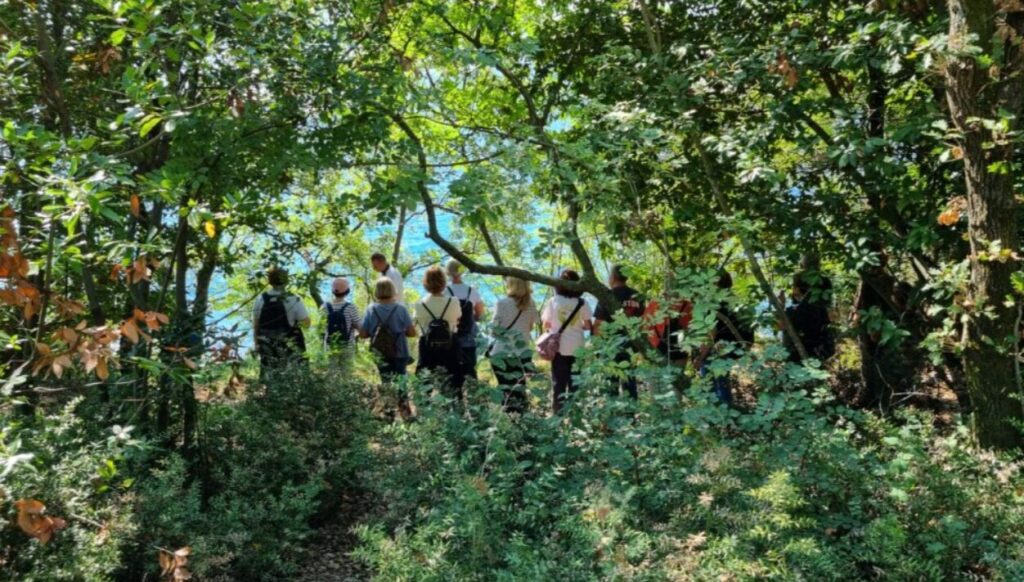
One of the most interesting aspects of the HORUS pilot in Rijeka is the way it approaches health as something that is built collectively and experienced in everyday life.
Rather than focusing only on medical recommendations or isolated interventions, the pilot has been developing a broad range of community-based activities that aim to make healthier living feel accessible, practical and socially connected. Over the past months, participants have taken part in initiatives that combine physical activity, nutrition, mental well-being and social participation in ways that can realistically become part of daily routines.
Urban Forest Therapy:
Among the activities currently underway is the urban Forest Therapy (Shinrin-yoku) programme, developed according to international forest therapy guidelines. Through guided sessions in natural environments, participants are encouraged to reconnect with nature and explore the positive effects that these spaces can have on physical and mental well-being. In a context where urban life often feels fast-paced and overstimulating, creating moments to slow down and reconnect with the environment becomes especially meaningful.
Health Literacy Workshops:
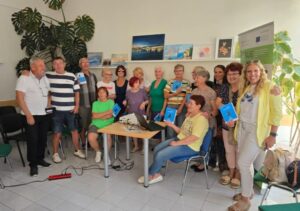
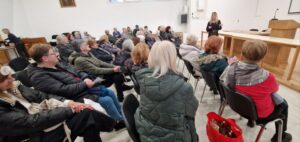
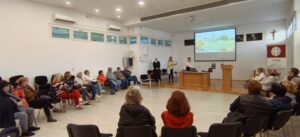
The pilot has also organised several health literacy workshops led by local experts, covering topics such as diabetes prevention, healthy ageing, physical activity, mental health, vaccination and antibiotic resistance. What makes these sessions particularly valuable is that they translate complex health topics into practical and understandable conversations that participants can relate to in their own lives.
Nutrition Workshops and Cooking Classes:
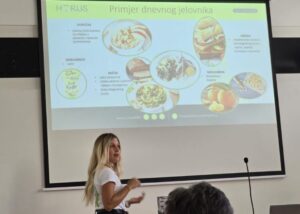
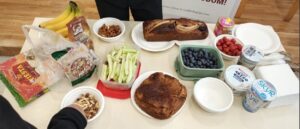
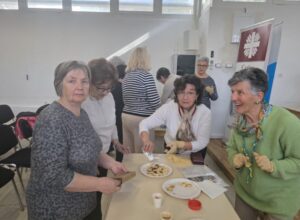
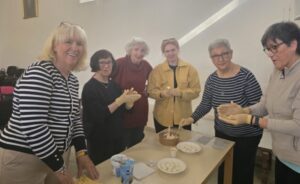
Nutrition has also played an important role within the programme. Alongside lectures on healthy eating and osteoporosis prevention, participants have joined practical cooking workshops focused on preparing healthy and simple meals that can easily be replicated at home. Educational materials and recipe booklets were also distributed to support participants beyond the sessions themselves.
Mindfulness Programme:
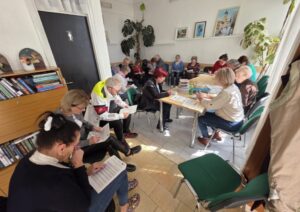
Another key initiative has been the implementation of an eight-week mindfulness programme, offering participants tools to better manage stress, improve self-awareness and incorporate mindfulness practices into everyday life. In many ways, this reflects one of the broader ideas behind the Rijeka pilot: health is not only physical, but also emotional, social and environmental.
Whole-Day Outdoor Programme Sessions
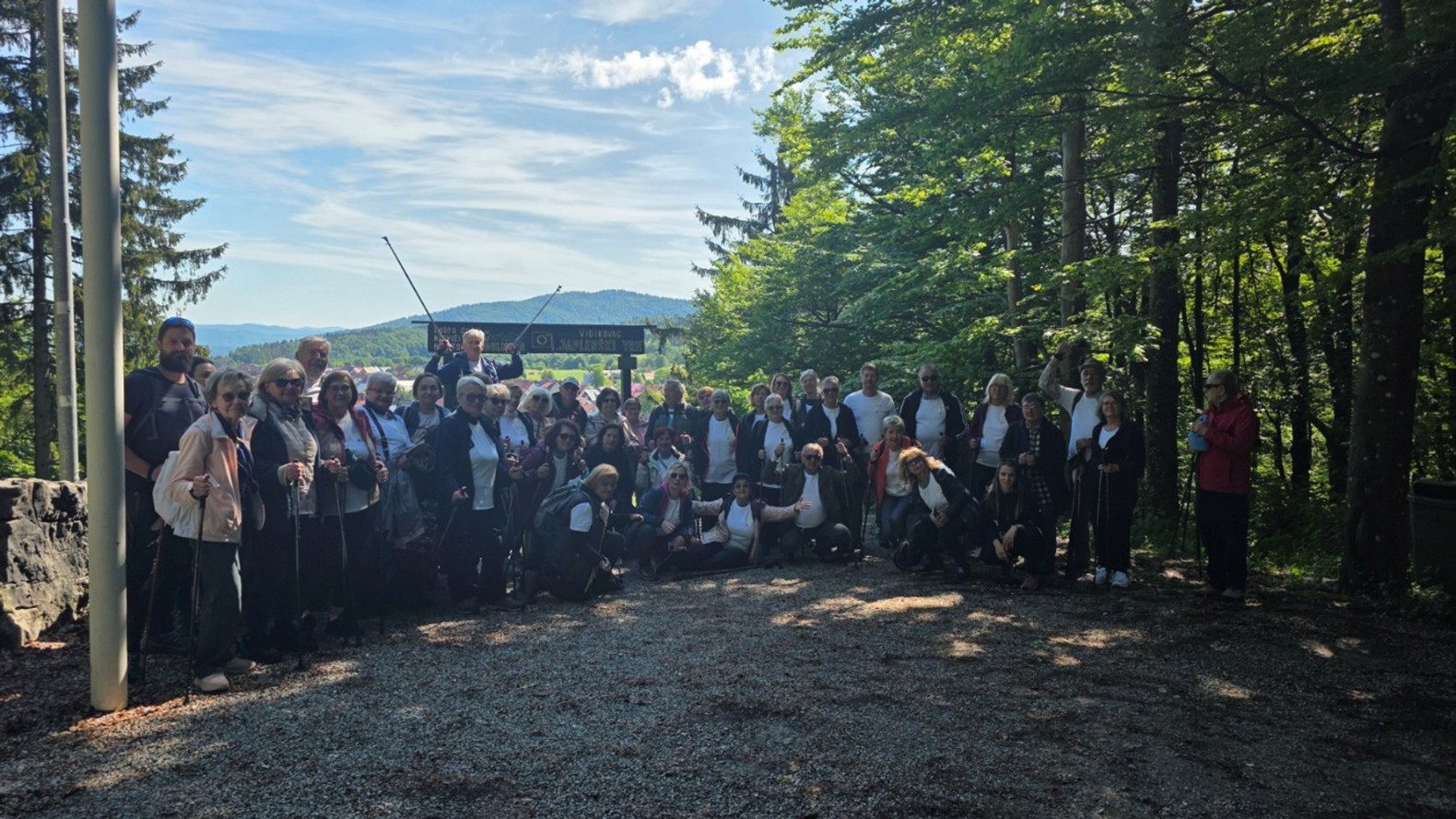
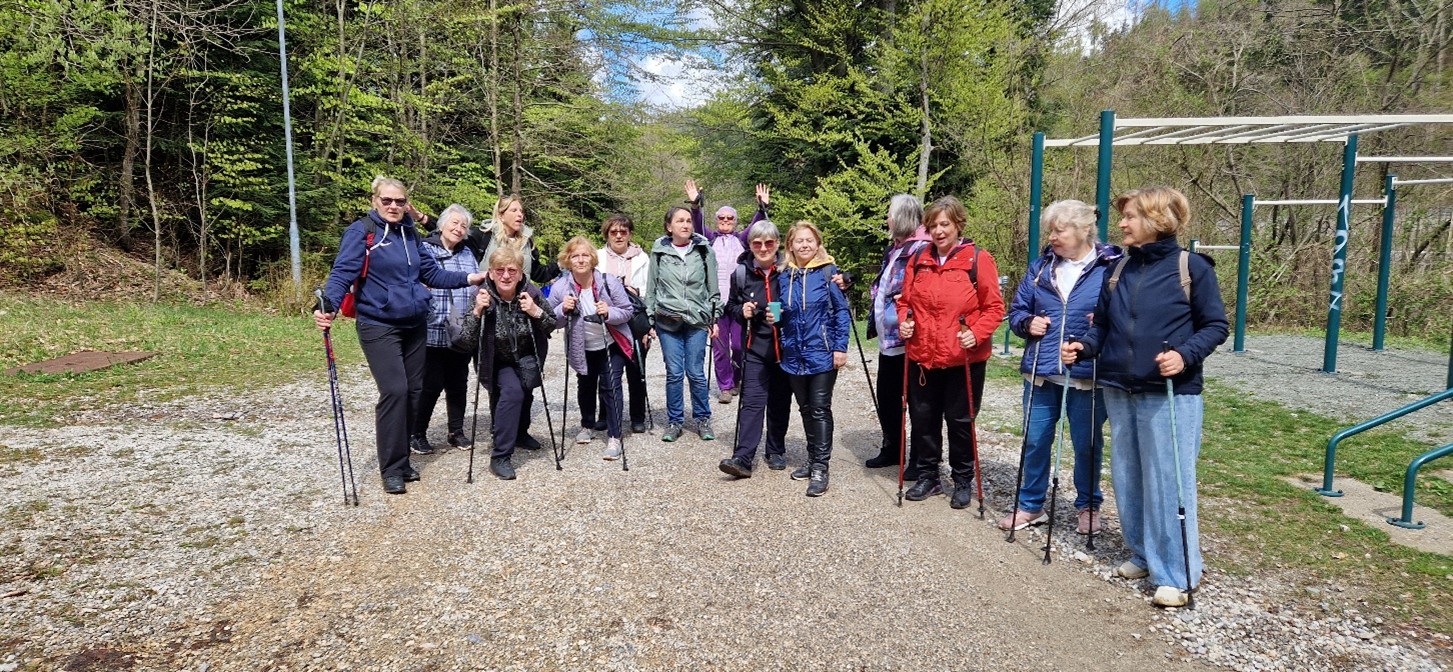
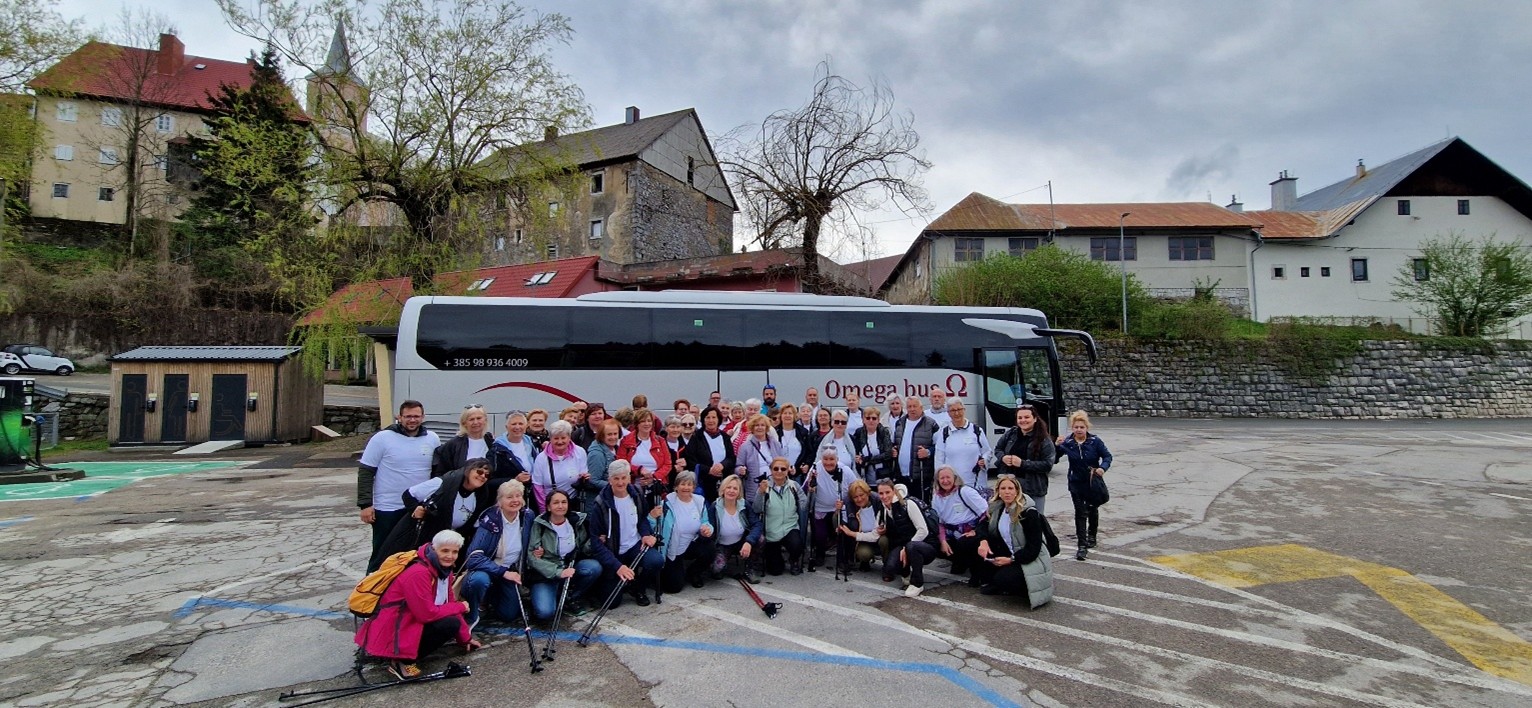
As part of the HORUS intervention programme, the Rijeka pilot has also organised two full-day outdoor sessions in the natural surroundings of Gorski Kotar, bringing together a total of 81 participants across both events. The sessions took place in Fužine and Japlenški Vrh Forest Park (Delnice), providing participants with the opportunity to experience nature-based health interventions in ecologically rich environments.
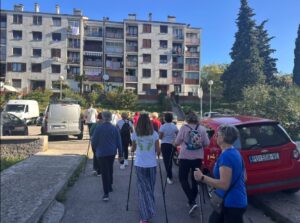
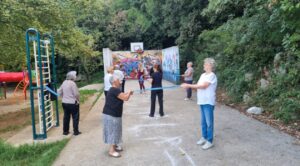
The programme combined several of the pilot’s ongoing activities into immersive outdoor experiences, including forest bathing, mindful walking, Nordic walking and health literacy workshops. Participants also attended educational sessions on topics such as healthy sleep, environmental health, memory and concentration, while spending the day in natural settings designed to support physical activity, relaxation and social connection.
These outdoor sessions represent another example of the multidisciplinary approach adopted by the Rijeka pilot, bringing together movement, health education, mindfulness and nature-based interventions as part of a shared community experience.
Together, these activities show how the HORUS project approaches urban health through community-centred and multidisciplinary interventions that go beyond theory and become part of people’s real experiences. By creating spaces for participation, learning and connection, the Rijeka pilot continues contributing to healthier and more supportive urban living.